January 2026
How I Learned Self-Compassion After Emotional Burnout
January has come and gone, and I didn’t manage to write even once on the blog. At one point, I honestly thought this might be the end of it—that I had drifted so far away from this passion of mine that I might never return. Writing has always been my way of making sense of the world, of untangling my thoughts and emotions, and suddenly even that felt too heavy. When something that once felt like home starts to feel distant, it’s unsettling. It makes you question not just your habits, but your identity.
The year actually started strong. Since I was going to spend New Year’s Eve alone—my daughter was with her father, my very first New Year without her—I planned everything in advance and booked a few days away in the mountains. This wasn’t an impulsive decision. It was a conscious act of self-preservation. I knew how hard it would be to stay at home, surrounded by her absence, by memories and routines that suddenly felt incomplete.
I’ve learned, sometimes the hard way, that when I ignore my emotional limits, my body eventually forces me to stop. So this time, I tried to listen earlier. After a thorough search, I found the perfect trip for me—one that promised silence, nature, and just enough human connection to not feel isolated. It felt like choosing myself without guilt, which is something I’m still practicing.
And it really was the right decision. It was exactly what I needed—time away from home. Being surrounded by new people and breathtaking winter landscapes helped me detach from the heavy emotions I was carrying. There’s something deeply healing about nature in winter: the stillness, the muted colors, the sense that rest is not only allowed, but necessary. I truly spent quality time that soothed my soul, moments where I wasn’t a mother, an employee, or someone who had to hold everything together—I was just a person, breathing.
I came back home full of energy and plans, ready to start the new year strong. I made mental lists, imagined routines, set intentions. I genuinely believed that this reset would carry me forward for months. But… that positive vibe didn’t last long.
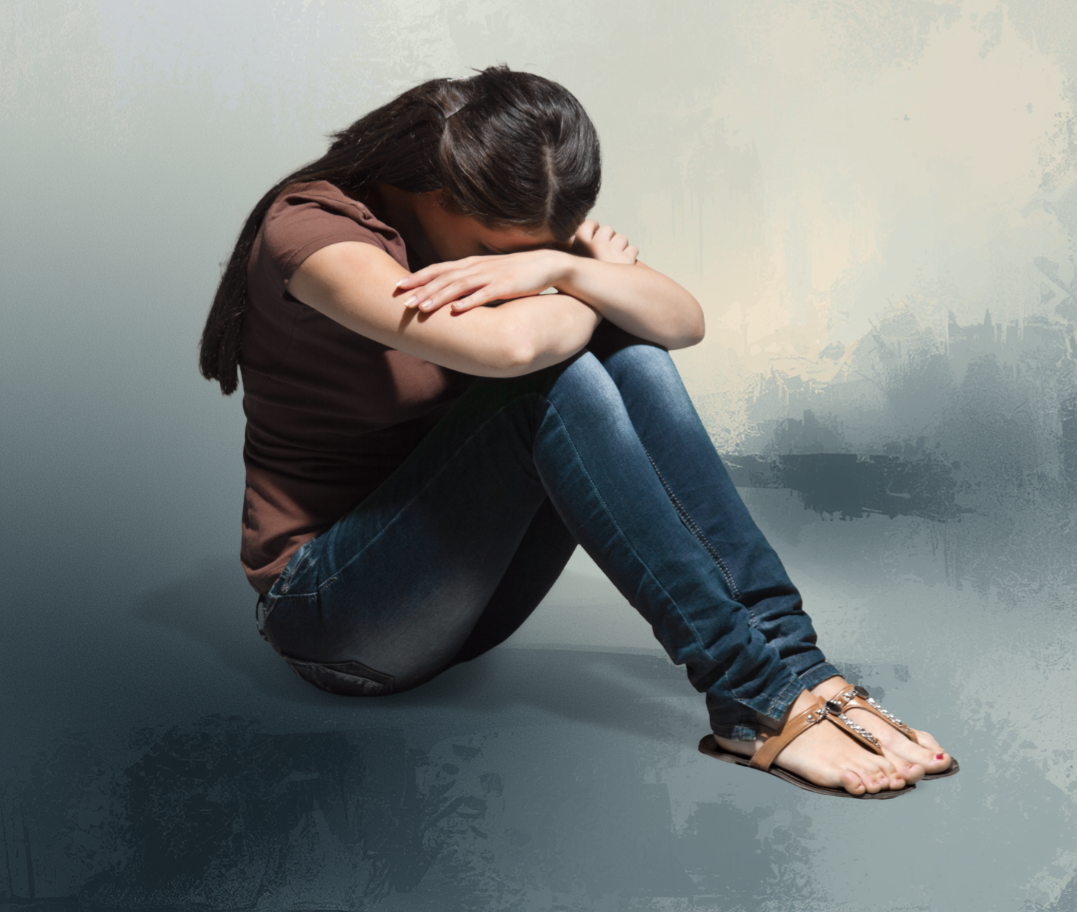
As soon as we returned to our usual routines, I felt myself falling into a deep pit. Not dramatically, not all at once—but slowly, quietly. An overwhelming apathy took over. I spent countless days lying on the couch, lethargic, unable to find the strength to complete even the most basic household tasks. The days blurred into each other, and the guilt grew heavier with every hour I “wasted.”
This kind of apathy is hard to explain to someone who hasn’t lived it. From the outside, it might look like laziness or lack of discipline. From the inside, it feels like trying to move through water with weights tied to your limbs. You want to do things. You know what would help. And yet, you simply can’t. That disconnect between intention and action is deeply frustrating—and deeply lonely.
Then the headaches started. For about two weeks, the pain kept coming back as soon as the painkillers wore off. It wasn’t just physical pain; it was the fear attached to it. When your mental health is already fragile, every physical symptom feels amplified, threatening. Your mind fills the silence with worst-case scenarios.
That’s when I spiraled into hypochondria. I went to the doctor, requested a brain MRI, visited an ophthalmologist and an ENT specialist—fully convinced I had one foot in the grave. Fear has a way of convincing us that we are in immediate danger, especially when we’re already emotionally exhausted.
Thankfully, it turned out to be nothing serious. Most likely sinusitis. And the moment I learned the cause, I started to feel better almost immediately. The headaches disappeared. What a coincidence. Or maybe not a coincidence at all. Maybe my body was asking for attention, for care, for rest—and once it felt heard, it softened.
Shortly after that, I started going back to the gym—something that helps me immensely, both physically and mentally. Movement has always been a form of grounding for me, a reminder that I exist beyond my thoughts. Slowly, very slowly, I felt like I was getting my life back.
I don’t know exactly what that period was about, but I clearly needed to stop and give myself permission—and time—to recover. That permission didn’t come easily. I had to consciously challenge the internal voice telling me I was falling behind, wasting time, failing at my own expectations. Yes, I wish I hadn’t “lost” a month of my life like this. But perhaps it wasn’t lost at all. Perhaps it was an investment in learning how to pause without shame.
It was yet another moment when I had to learn to be gentle with myself, to accept my limits, and to love myself even when I’m not “who I think I should be.” We talk so much about self-love, but rarely about how uncomfortable it can be in practice. Loving yourself when you’re productive is easy. Loving yourself when you’re depleted, unmotivated, and fragile—that’s where the real work begins.
This is one of the hardest lessons for me. Unfortunately, I can be extremely critical—sometimes even with my daughter. Becoming aware of this has been painful. I have hated my entire life the overly critical, nagging attitude of my own mother… and yet, I see myself repeating it. Not because I want to, but because these patterns run deep, etched into us long before we have the chance to question them.
Parenthood has a brutal way of holding up a mirror. It shows us not only who we are, but who we were shaped to be. And sometimes, that reflection hurts. My God, how many lessons we still have to learn, how many emotions we need to integrate, how much forgiveness we need to offer—to others, but especially to ourselves.
I once read that we can consider ourselves truly healed only when we have forgiven our mother. 😊 That sentence stayed with me. Forgiveness doesn’t mean excusing harm. It means understanding context, breaking cycles, and choosing differently—again and again.
So this was my January. Messy, quiet, uncomfortable, and deeply human. And I must admit, I feel guilty for being absent from here for so long. This space matters to me. You matter to me. But I’m learning that disappearing for a while doesn’t mean giving up—it sometimes means surviving.
I’m curious to know how the first month of the year was for you. Did you have the energy and determination to work on your goals and vision boards? Or did you start more slowly, like I did? There’s no right pace, despite what social media tells us. January doesn’t have to be about productivity. Sometimes, it’s just about recalibrating.
Thank you for being here,
The Red Fairy
LEAVE A REPLY
How I Learned Self-Compassion After Emotional Burnout
An honest reflection on emotional burnout, motherhood, self-compassion, and the healing journey of learning to be gentle with yourself. Starting the year slowly without guilt.